Teachers deliver music instruction in several formats, and each one has distinct strengths. The three most common are private one-on-one lessons, group classes, and online lessons over video. Understanding how these formats differ, and how they complement one another, helps students and families choose an approach. The right choice suits your goals, your instrument, and your stage of learning.
1. Private One-on-One Lessons #
In a private lesson, a single student works directly with a teacher. That teacher tailors every aspect of instruction to the student’s needs, pace, and goals. As a result, this format allows immediate, individualized feedback and a repertoire chosen specifically for the learner.
Most teachers regard one-on-one instruction as the most effective format for developing correct technique. After all, the teacher can observe and correct subtle details in real time. For this reason, it remains the traditional model for serious instrumental study across the classical tradition.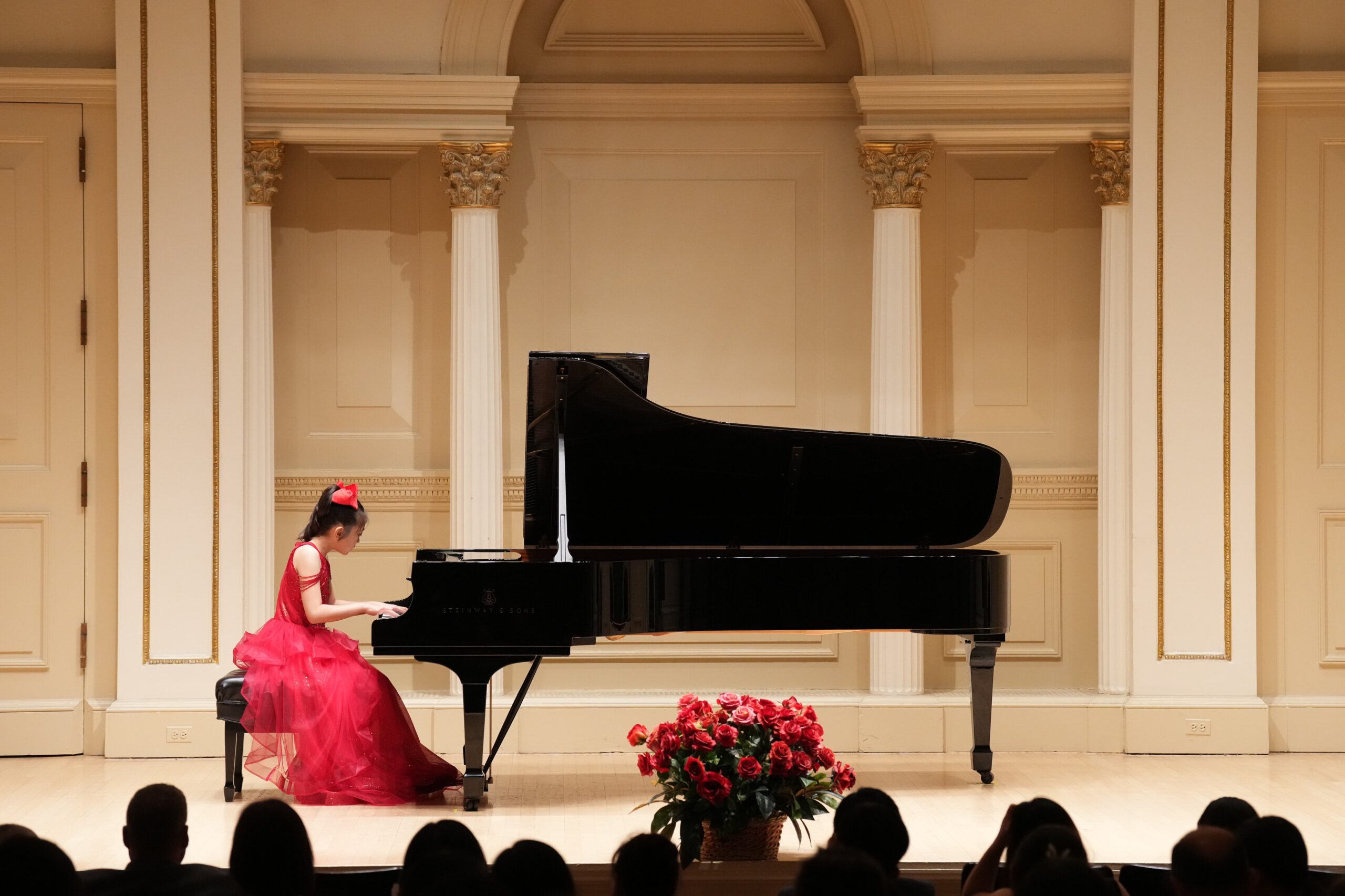
2. Group Classes #
Group classes bring several students together to learn shared material, such as music theory, ear training, or ensemble skills. This format introduces the experience of making music alongside others. Moreover, it can build motivation through a sense of community.
Group settings suit subjects that benefit from interaction, and they help students develop ensemble awareness. However, most programs use them to complement private lessons rather than to replace the individualized technical work that one-on-one study provides.
3. Online Lessons #
Online lessons connect student and teacher through video, so instruction can continue regardless of distance or scheduling constraints. In addition, this format expands access to teachers who may not be available locally, and it offers flexibility for busy families.
Effective online lessons depend on a stable connection, a good audio setup, and a clear camera angle. With that setup, the teacher can observe the student’s hands and posture. Certain fine details are easier to assess in person. Even so, video instruction can support meaningful progress, especially for reading, theory, and repertoire coaching.
4. Matching Format to Goals #
The most suitable format depends on the student’s objectives and circumstances. Private instruction generally serves a learner best when the goal is precise technique, whether in person or online, because it allows individualized correction.
Group classes add value for theory, ensemble experience, and social motivation, while online lessons provide access and flexibility. In fact, many students benefit from a combination. They use private lessons for core development and group settings for collaborative skills.
5. Factors in Effective Instruction #
Regardless of format, several factors determine how effective instruction is. These include the teacher’s qualifications and the fit of the material to the student’s level. Consistency of lessons and the quality of practice between them matter just as much.
Ultimately, format is a delivery method rather than a guarantee of outcome. A well-structured program with a skilled teacher and a committed student can succeed across formats. Above all, the strongest results come from aligning the format with the specific goals of study.
The Chopin Academy of Music Approach #
The Chopin Academy of Music builds its teaching around the one-on-one tradition of individualized private instruction. We complement it with group classes in theory, ear training, and music appreciation, and we tailor every program to the student’s goals. In short, our faculty designs a personalized plan for every learner rather than applying a single format to all.
Our internationally trained faculty brings more than twenty years of teaching experience across our Washington locations in Issaquah, Sammamish, and Bellevue. In addition, a North Scottsdale, Arizona location is now joining. Above all, we deliver music education within the best traditions of the community music school and a full program of study. To begin, schedule a complimentary consultation with our faculty.


