
Classical music refers to the tradition of Western art music that developed over several centuries. Written notation, formal structures, and an evolving repertoire performed to the present day all define it. The term covers many historical periods, and each one carries its own conventions of style, form, and instrumentation. Understanding these periods and forms gives you a framework for listening to and studying the repertoire.
1. The Concept of Musical Periods #
Historians divide Western art music into broad periods, and each one carries shared stylistic tendencies. These divisions are approximate rather than exact, since styles overlapped and evolved gradually. Even so, they offer a useful way to organize centuries of music.
Scholars commonly discuss four principal periods: the Baroque, the Classical, the Romantic, and the modern era. Historically, the Medieval and Renaissance periods came before them. Each period brought characteristic changes in harmony, form, and the role of the performer.
2. The Baroque Period #
The Baroque period spans roughly the seventeenth century into the mid-eighteenth. Elaborate ornamentation, contrasting textures, and the development of tonal harmony all mark this era. In addition, its music often features interweaving independent melodic lines, a texture known as counterpoint.
Forms such as the fugue, the concerto, and the suite flourished during this period. Moreover, the Baroque established many harmonic conventions that later periods built upon. As a result, it became foundational to the classical tradition that followed.
3. The Classical Period #
The Classical period runs from roughly the mid-eighteenth to the early nineteenth century. Composers favored clarity, balance, and elegant melody over the density of the Baroque. Consequently, musical structures grew more clearly organized around contrasting themes and sections.
This era saw the maturation of major forms, including the symphony, the sonata, and the string quartet. The sonata form, in particular, became a central organizing principle. With its exposition, development, and recapitulation, it shaped instrumental music for generations.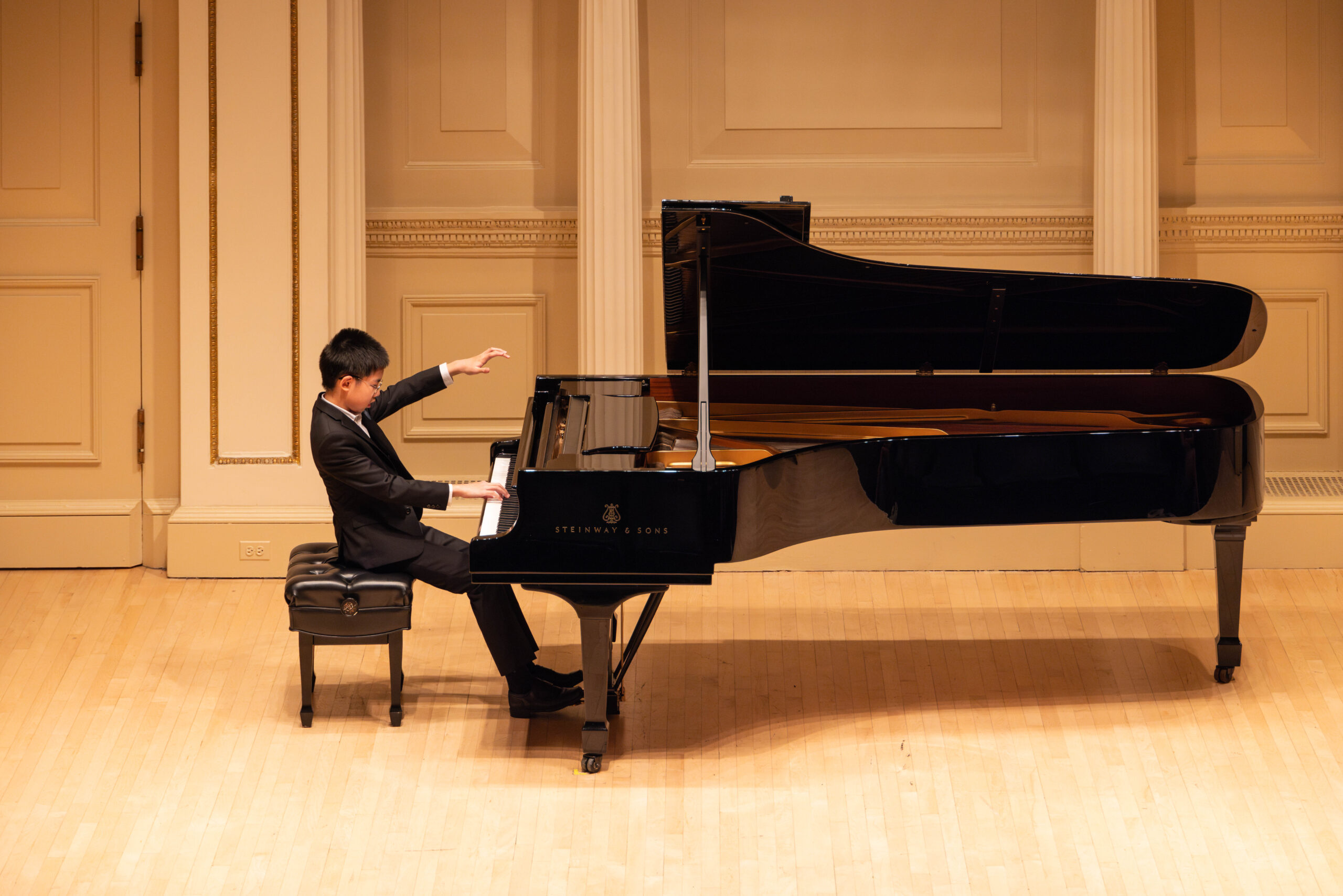
4. The Romantic Period #
The Romantic period extends through much of the nineteenth century. It emphasized heightened emotional expression, expanded harmony, and greater freedom of form. In this era, composers sought to convey mood, narrative, and personal feeling with increasing intensity.
Ensembles grew larger, and performers explored the piano’s expressive capabilities deeply. Virtuosic solo playing also became prominent. In fact, much of the repertoire most familiar to today’s audiences and students comes from this expressive, expansive era.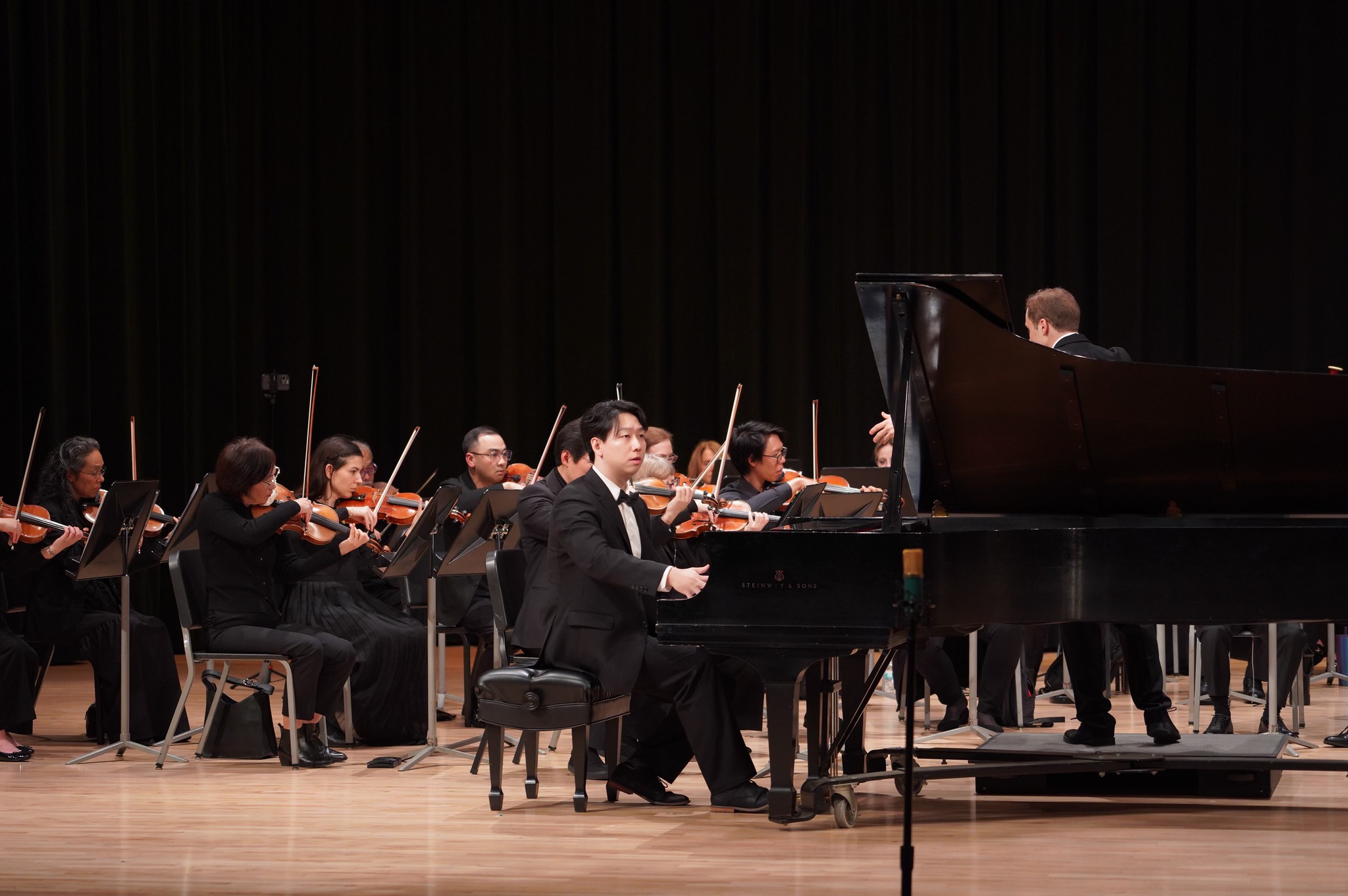
5. The Modern Era and Beyond #
From the late nineteenth century onward, composers increasingly departed from established conventions. Instead, they explored new harmonic languages, rhythms, and forms. As a result, this era produced a diverse body of music that resists a single unifying style.
This period includes many contrasting movements and approaches. Together, they reflect the wide range of directions music took in the twentieth and twenty-first centuries. Above all, this variety shows that the classical tradition continues to develop rather than remaining fixed in the past.
6. Common Musical Forms #
Across these periods, certain forms recur as organizing structures for compositions. For example, a sonata is a multi-movement work for one or a few instruments. By comparison, a symphony is a large multi-movement work for orchestra. A concerto, meanwhile, features a soloist against an ensemble.
Recognizing these forms helps listeners and students anticipate how a piece is organized and how its ideas develop. After all, form provides the architecture within which melody, harmony, and rhythm unfold. For this reason, it remains a core subject in the study of classical music.
The Chopin Academy of Music Approach #
The Chopin Academy of Music integrates music history, theory, and ear training with instrumental study. As a result, students understand the repertoire they perform within its stylistic and historical context. We shape every class and lesson to each student’s level and goals within a structured program of study. To build this foundation, students may also join our group classes in theory, history, and ear training.
For more than twenty years, our faculty has advanced the classical tradition through inspirational teaching across our Washington locations. We are now expanding to North Scottsdale, Arizona. Above all, we offer a curriculum grounded in the best traditions of one-on-one classical music education. To begin, schedule a complimentary consultation with our faculty.


